

The Intergovernmental Science-Policy Platform on Biodiversity and Ecosystem Services (IPBES) is seeking experts and fellows to join a new assessment on biodiversity-inclusive spatial planning and ecological connectivity to guide global conservation and sustainable use efforts.
The IPBES Plenary, in decision IPBES/10/1, approved the undertaking of the methodological assessment of integrated biodiversity-inclusive spatial planning and ecological connectivity (“spatial planning assessment”).
The spatial planning assessment will address the use and change in use of land, inland waters and sea, including areas beyond national jurisdiction. It will provide options for avoiding land and sea use change that negatively affects biodiversity and options for improving planning for effective conservation, restoration and sustainable use of nature and its contributions to people across spatial and temporal scales.
IPBES is seeking experts, practitioners, and fellows from academia, government, and civil society with expertise in:
- A range of disciplines, including but not limited to geography, ecology, conservation science (including protected area designation), land and water systems science, spatial planning, urban planning, architecture, law, political science and economics;
- The application of spatial planning methodologies and related planning and management approaches in relation to biodiversity and nature’s contributions to people, in terrestrial (including inland waters) and marine systems, including land and sea planning, environmental impact assessment, economic and social zoning, community planning, land and sea use frameworks, and governance frameworks for integrated planning and management;
- The pertinence, effectiveness and limitations of existing methods, guidance, tools, scenarios, models, data, knowledge and capacity building for promoting connectivity and integrating biodiversity in spatial planning, across sectors and scales;
- The trade-offs and synergies between different types of spatial planning methodologies and of land, inland waters and sea use;
- Methodologies for promoting participatory approaches to spatial planning (including those involving Indigenous Peoples and local communities);
- The ecological requirements of migratory and wide-ranging species, complex species communities and diverse ecosystem processes;
- Ecological restoration to recover and enhance biodiversity and ecological connectivity to support ecosystem resilience, climate change adaptation and sustainable livelihoods and associated methodologies and approaches;
- The development or application of scenarios of spatial planning regarding synergies and trade-offs in the biodiversity-food-water-health-climate-energy nexus;
- Capacity, financial and technological implementation needs for spatial planning and ecological connectivity interventions.
How to Participate
IPBES invites nominations for two key roles in this assessment:
- Experts: Professionals with extensive experience in relevant fields are encouraged to contribute their expertise to shape strategies for conserving, restoring, and sustainably managing natural resources globally.
- Deadline: 24 January 2025
- Apply Here
- Fellows: The IPBES fellowship programme, which is part of a larger capacity-building portfolio of activities, targets early-career individuals who wish to gain experience by participating in the work of IPBES. Selected fellows will participate in the preparation of the chapter of the assessment for which they are selected, and their contribution acknowledged as part of the citation for that chapter. Fellows will attend author meetings and receive training to gain an in-depth understanding of the IPBES assessment processes and the science-policy interface. Fellows will also be paired up with a mentor for the assessment period.
- Deadline: 24 January 2025
- Apply Here
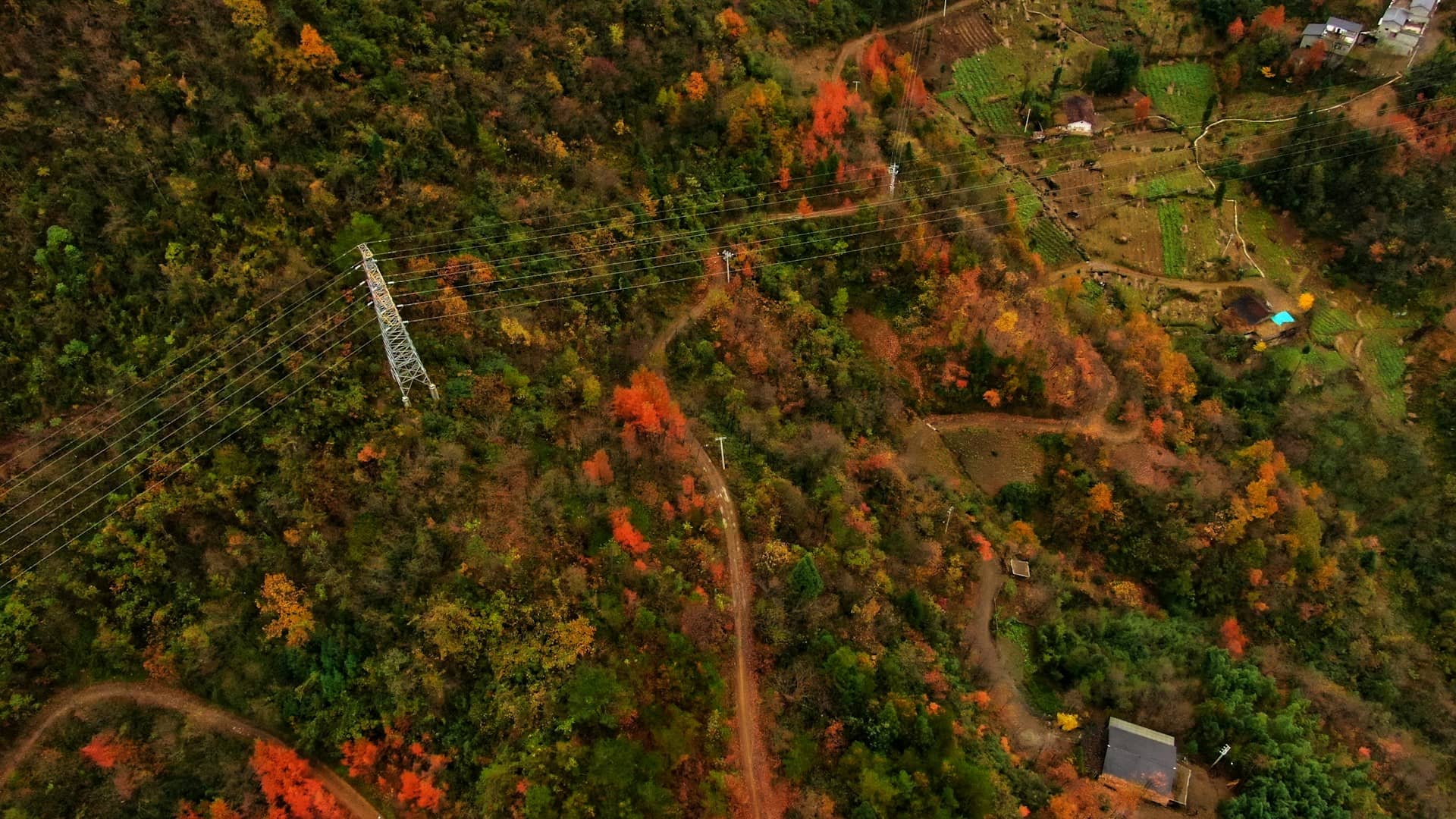
Cover image by oxzzy 5991