
Three mountain-focused projects supported by the Mountain Research Initiative have been recognized on the UNFCCC’s Adaptation Knowledge Portal—highlighting how collaborative, science-driven approaches are advancing climate resilience in mountain regions.
From Central Asia to the African highlands, mountain regions are experiencing some of the most dramatic impacts of climate change. In response, adaptation efforts are harnessing local knowledge systems, scientific research, and transdisciplinary collaboration to inform effective, place-based responses and long-term resilience strategies.
The recent inclusion of three of our mountain-focused case studies on the UNFCCC’s Adaptation Knowledge Portal showcases how the global mountain research community is generating knowledge to support adaptation and resilience where it is urgently needed.
Strengthening Data, Strengthening Resilience: The Central Asia Mountain Observatory Network (CAMON)
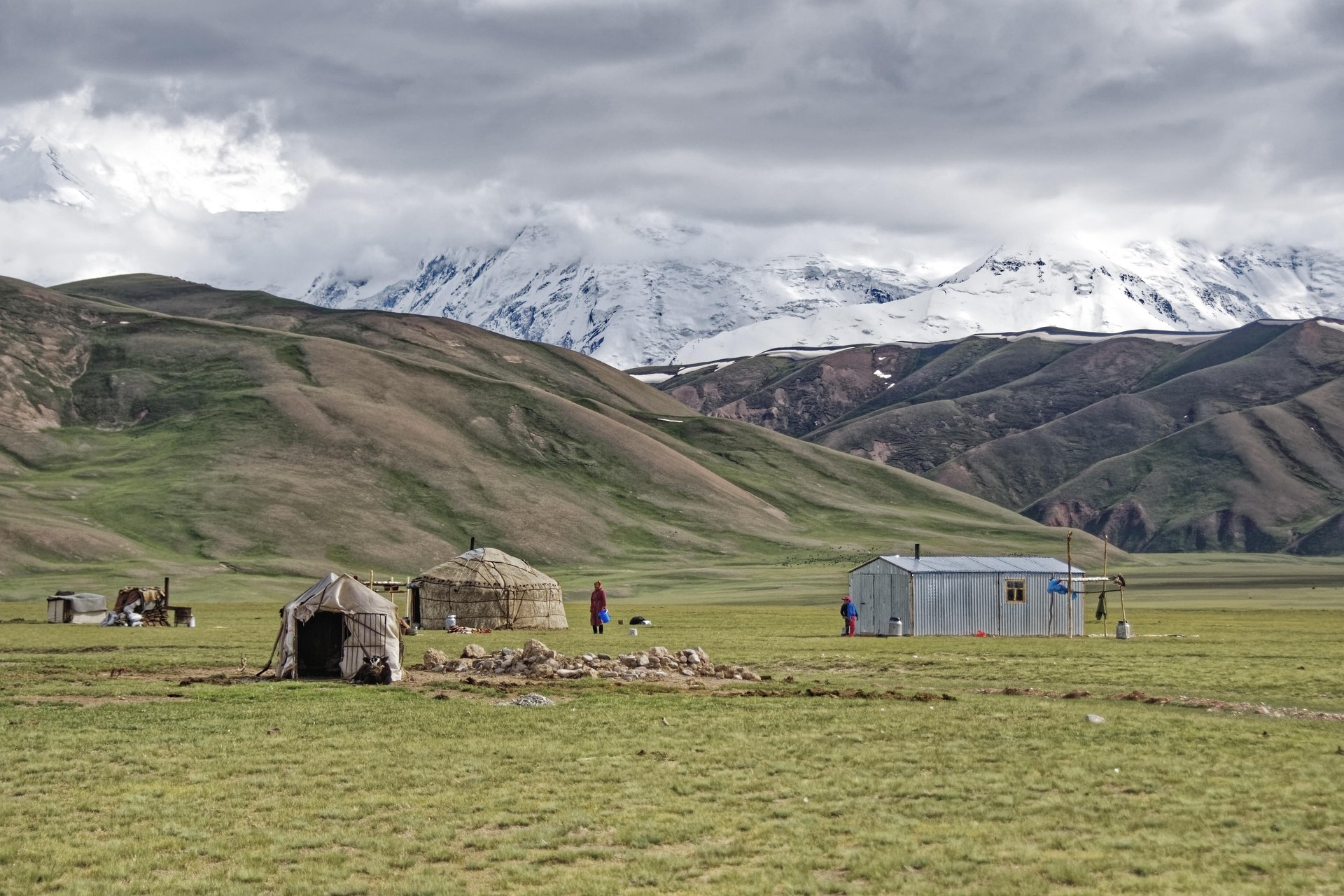
Mountains in Central Asia are crucial water towers for millions of people – but understanding how climate change is reshaping them has long been limited by fragmented or poor-quality data. CAMON, established by the Mountain Research Initiative funding through GEO Mountains, is a transboundary network of observatories and scientific institutions that aims to address this.
Through standardized metadata, automated quality control, and historical climate record integration – especially snow data critical for water supply – CAMON has improved not just data reliability but its accessibility. A centralized platform now enables researchers, policymakers, and communities to make informed, data-driven decisions.
Impact: CAMON’s improvements enhance cross-disciplinary collaboration, promote region-based capacities and capabilities, and help policymakers predict seasonal variations, guide water resource planning, and promote climate resilience.

Voices from the Highlands: Transformative Adaptation in Ten African Mountains
Mountain communities in Africa are confronting a complex web of climate challenges – erratic rainfall, drought, biodiversity loss, and more. But they are also developing adaptation strategies rooted in local knowledge, experience, and resilience. Capturing these stories and turning them into actionable insights was the goal of the Transformative Adaptation to Climate Change in African Mountains project.
Supported by a grant from the MRI, this project brought together early-career African researchers and over 1,500 local farmers across ten mountain regions. Through participatory workshops, surveys, and synthesis, researchers documented climate impacts, everyday coping strategies, and cultural factors shaping adaptation decisions.
Six scientific publications emerged from the project, exploring topics such as climate change perceptions across wealth groups and adaptation in conflict-affected areas. A policy brief translated these findings for non-academic audiences, and a series of monthly webinars helped build connections among researchers across eight African countries.
Impact: Empowering local researchers and amplifying community voices improved adaptation strategies, fostered South-South collaboration, and strengthened local ownership of climate solutions. By embedding local knowledge into scientific research, the project also elevated community voices in climate assessments and contributed to IPCC-relevant insights.
Views from Above: Mapping Mountain Vegetation with Very-High-Resolution Remote Sensing
Mountain regions are globally significant biodiversity hotspots, where vegetation dynamics offer critical insights into ecological processes, climate impacts, and the provision of ecosystem services. However, effective monitoring is hindered by ongoing challenges in acquiring and analysing Earth Observation (EO) data at scales relevant to conservation planning and policy development.
To address these limitations, an MRI-supported synthesis workshop held in July 2022 focused on the limited access to very high-resolution Earth Observation (EO) data and the need for improved image classification techniques capable of capturing fine-grained vegetation differences within complex mountain landscapes.
Bringing together researchers from around the world, the workshop launched the Alpine Treelines Online network – a community of practice focused on improving EO applications in mountain regions.
Impact: These efforts are shaping remote sensing applications for mountain ecosystems, contributing to science and policy – including the IPCC’s Sixth Assessment Report. Findings have also impacted discussions at major scientific events, including the 2022 International Mountain Conference and the 2024 European Geosciences Union Assembly.
These case studies demonstrate how local knowledge, dedicated research, and cross-border collaboration can come together to strengthen resilience and inform policies in some of the world’s most vulnerable – and vital – ecosystems. Through its Adaptation Knowledge Portal, the UNFCCC Knowledge-to-Action Hub for Climate Adaptation and Resilience (also called the Nairobi work programme [NWP]), has recognized and amplified these contributions, helping to transform science into lasting impact for our changing mountains. As a recognised partner of the UNFCCC NWP, the MRI supports this ongoing work by synthesising and bringing mountain-relevant content to this policy community.
Explore more about the UNFCCC Nairobi Work Programme and its Thematic Areas, including “mountains”.
Cover image: Makalu