
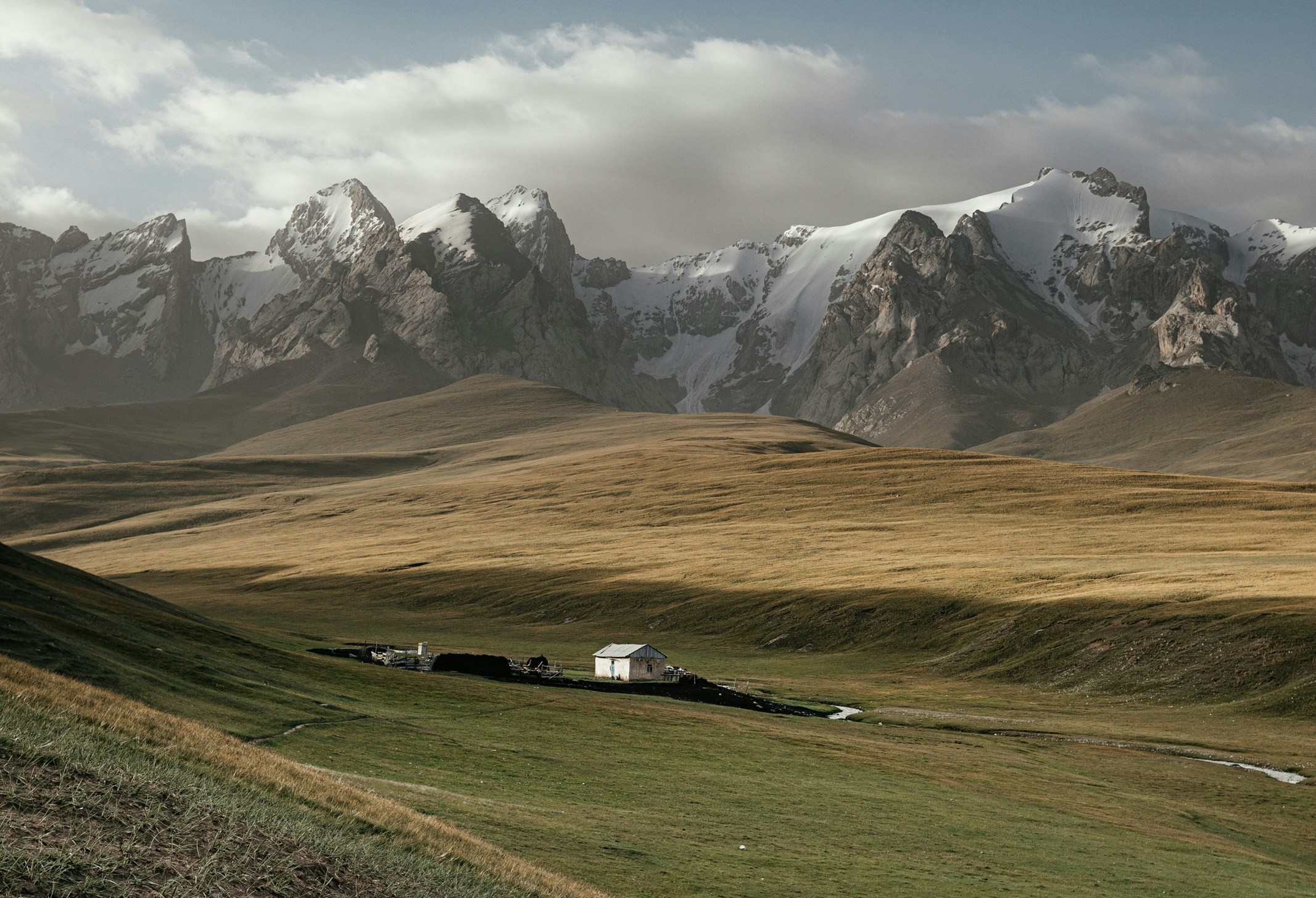
Glaciers across Central Asia, the South Caucasus, and Pakistan are shrinking at a pace that is already having significant impacts on vulnerable communities. A new Asian Development Bank project aims to support adaptation efforts in the face of escalating risks.
The world’s largest climate fund has approved $250 million to support Glaciers to Farms, an ambitious effort led by the Asian Development Bank (ADB) to help communities across Central Asia, the South Caucasus, and Pakistan adapt to rapid glacier loss that is reshaping rivers, farms, and entire regional economies.
The Green Climate Fund’s (GCF) funding will predominantly be provided as grants, supporting the $3.25 billion that will be invested by the ADB over the next decade. The program aims to strengthen water systems, improve climate resilience and prepare countries for a future in which glacier and snow reserves – the quiet engines of life across the region – continue their accelerated retreat.
While funding bodies green-lit the initiative in autumn, the scientific groundwork behind it has been long in the making. A major share of that effort was carried out by an international team led by Pegasus International Environmental Consultancy and Professor Stephan Harrison of Climate Change Risk Management Ltd (CCRM) and the University of Exeter, with key contributions from researchers including Maria Shahgedanova, former MRI Science Leadership Council member and current lead of the MRI Mountain Observatories Working Group.
From Data to Action: Building Long-Term Resilience
Their work mapped the profound climatic shifts already unfolding in key glacier-fed basins – focusing on the Naryn and Pyanj in Central Asia, the Kura in the South Caucasus, and the Swat in Pakistan – and assessed the cascading risks facing the roughly 13 million people who depend on these waters for agriculture, drinking supplies, and hydropower.
Drawing on four decades of temperature, rainfall, and snowfall data, Shahgedanova and colleagues built a detailed picture of each region’s changing cryosphere and the mounting hazards linked to its degradation, from swelling glacial lakes to erratic river flows that swing between drought-starved trickles and damaging floods. Future climate projections were used to identify the likelihood and severity of these threats as warming accelerates.
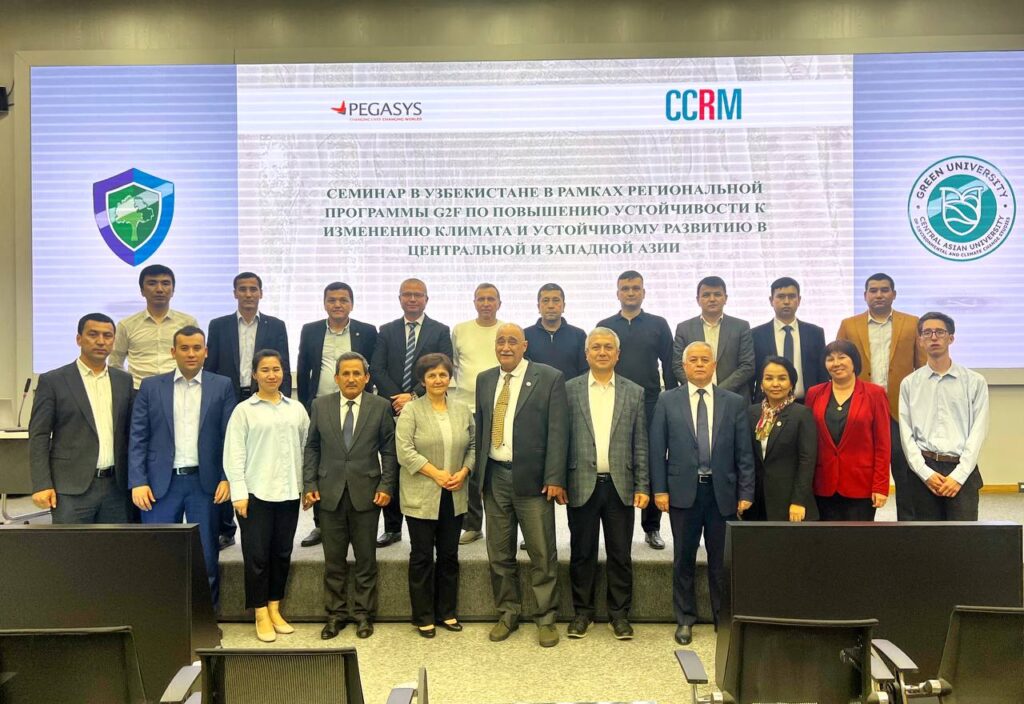
The work extended far beyond modelling, however. The team conducted stakeholder consultations across all participating countries to understand local experiences and priorities. As part of this, Shahgedanova led meetings in Uzbekistan, Kyrgyzstan, and Tajikistan. These dialogues helped ensure that national perspectives, governance realities, institutional needs, and community knowledge informed the program’s strategic direction.
“We developed the shared framework that clarified the program’s scope, governance, methodology, and risks,” Shahgedanova explains, noting that the assessment was a collaborative effort across several organisations. “Our analysis of current and future climate trends in the mountains of Central Asia, the South Caucasus, and Pakistan shows profound impacts on regional economies, communities, and ecosystems that rely on the vital services provided by the mountain cryosphere. These risks cannot be ignored. Strong governance, and sustained scientific, technical, and institutional support are urgently needed to confront and mitigate them. The Glaciers to Farms programme is both timely and essential in driving these mitigation efforts forward.”
A Coordinated Push for Water and Food Security
The Glaciers to Farms program will channel investment into more efficient irrigation, smarter water storage, watershed management and stronger early-warning systems against hazards such as glacial lake outburst floods. It also seeks to reinforce local institutions, extend adaptive social protection, support climate-aware health services, and build the capacity of local financial systems so agricultural enterprises – particularly those led by women – can weather future shocks.
For a region in which one in four people work in agriculture and glacier-fed rivers are a lifeline, the stakes could hardly be higher. As the cryosphere transforms, the decisions taken now will shape how communities survive and adapt in the decades ahead. The newly approved funding marks the start of that long, coordinated push.
Related News
Cover image by Azamat Kylychev.