
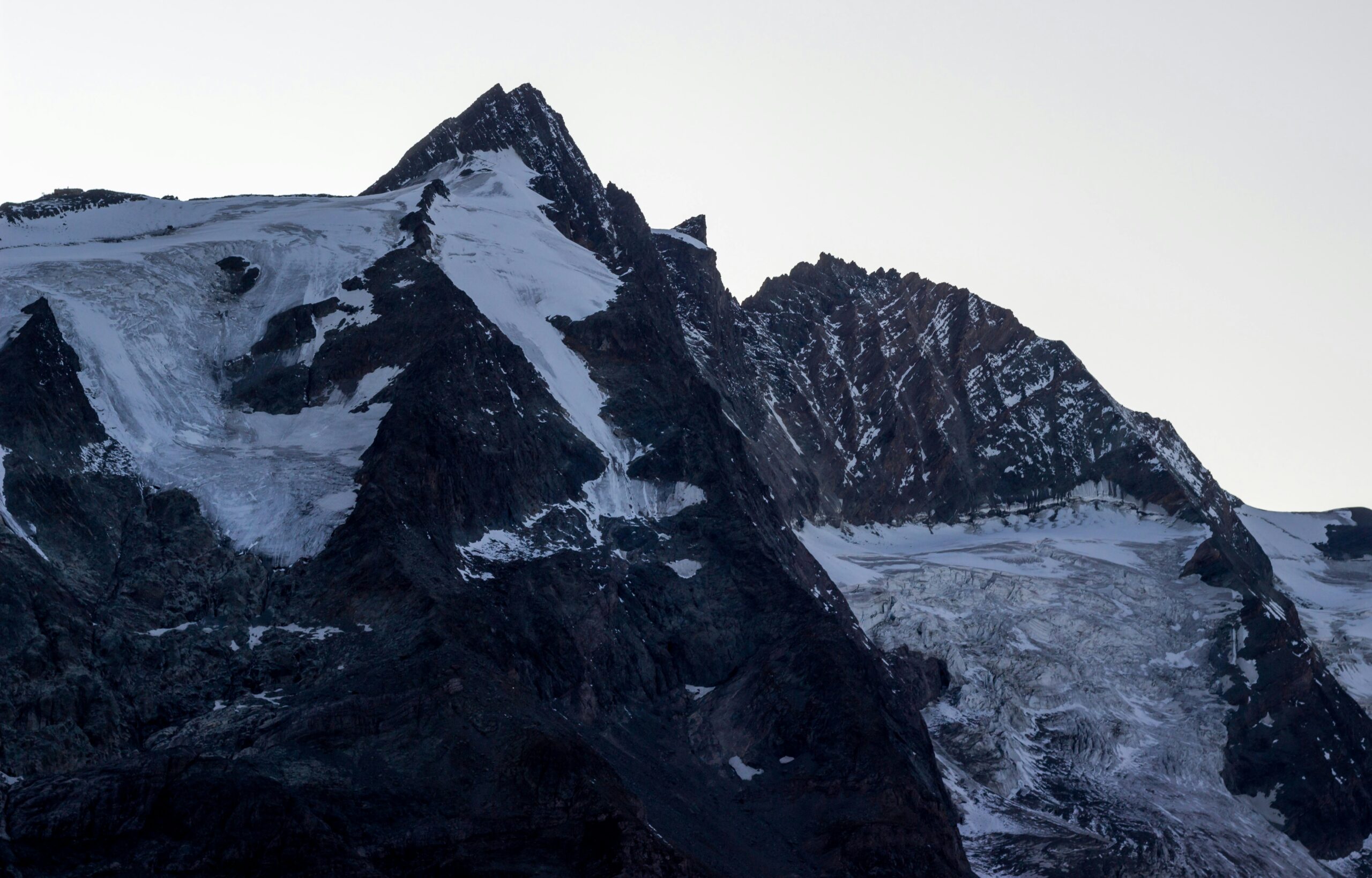
A new Focus Issue of Nature Climate Change places mountain regions at the centre of the global change discussion, underscoring both the pace of environmental transformation at high elevations and the far-reaching consequences for societies within and beyond mountain areas.
Against the symbolic backdrop of the 2026 Winter Olympics in the Italian Alps, where artificial snow will compensate for increasingly unreliable winter conditions, the issue emphasises that declining snow cover and shrinking glaciers are only the most visible signs of profound mountain change. High-altitude regions are among the fastest changing environments globally, with cascading impacts on ecosystems, hydrology, hazards, livelihoods, and cultural practices.
New research in the issue projects an acceleration of glacier loss in the coming years, with up to 2,000 to 4,000 glaciers per year expected to disappear at peak rates in the 2040s. Other contributions highlight how climate change is reshaping mountain ecosystems in more subtle ways, including weakening contrasts in vegetation growth between opposing mountain slopes, traditionally shaped by strong microclimatic differences.
A further article stresses the value of mountains as “natural laboratories” for understanding ecosystem responses to rapid environmental change. Insights gained in these complex, topographically diverse systems can inform adaptation strategies far beyond mountain regions.
The issue also foregrounds the critical role of mountains in the global water cycle. With many of the world’s major rivers originating in high-altitude regions, shifts in snow accumulation, glacier melt, and water storage directly affect water security for billions of people downstream.
Beyond biophysical changes, the Focus Issue addresses the social, economic, and cultural dimensions of mountain transformation. Contributions examine impacts on agriculture, infrastructure needs, and hazard exposure. One perspective article, a collective effort led by the University of Lausanne and including MRI SLC Member Mark Carey, explores the contradictions of glacier tourism, including the rise of so-called “last-chance tourism”. The authors highlight how some tourism and policy responses can become maladaptive, worsening risks for local communities and environments rather than raising awareness. Other perspectives explore how glacier retreat and landscape change are reshaping spiritual practices and cultural identities in mountain communities worldwide.
Together, the articles underscore that preserving mountain regions is not only an environmental imperative, but also a socio-economic and cultural one. For the mountain research community, this Focus issue provides an integrative overview of current knowledge, emerging risks, and critical research directions at a time when mountain systems are undergoing unprecedented change.
Related Story
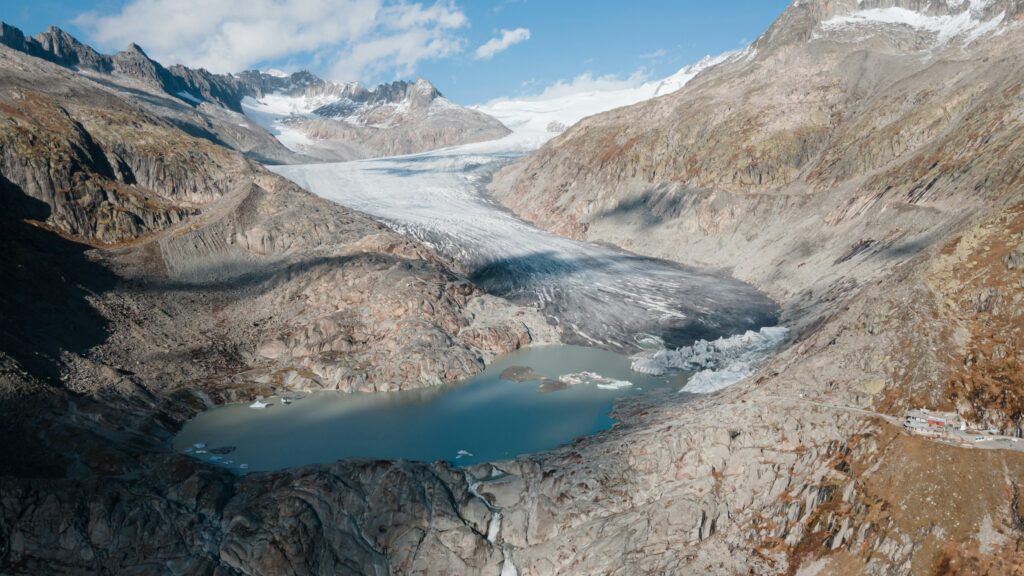
Glaciers in Retreat: Uncovering Tourism’s Contradictions
As glaciers around the world melt at unprecedented rates, tourism to them is booming – adding pressure to vulnerable regions and disrupting delicate ecosystems. A perspective article in Nature Climate Change points to ways of balancing tourism with conservation, awareness, and social equity.
Cover photo by Michael Lechner.