
12.05.2026 | 18:00
From glaciological expeditions to snow myths, from avalanche laws to mountain poetics, ice has shaped how humans engage with high-altitude environments. This conference explores how societies have known, represented, and inhabited mountain ice—broadly understood to include glaciers, snowfields and avalanches —through empirical and conceptual lenses across the humanities and social sciences.
Recent advances in the ice humanities and related fields explored the manifold relationships between humans and ice. However, existing research mainly focuses on examining polar and circumpolar contexts. While a few excellent case studies exist, so far a systematic account on mountain ice is missing in the social sciences and humanities. This conference seeks to examine human-ice relations as part of the cultural, political, ecological, spiritual and scientific dimensions of mountains.
We invite contributions that investigate mountain ice not just as a climatic or geophysical phenomenon, but as a medium of knowledge, cultural meaning, and social life. How have glaciers and snow been imagined in literature and art? How have they been measured, inhabited, feared, celebrated, or transformed into resources? What epistemologies, cosmologies, infrastructures, or legal regimes have crystallized around frozen heights?
This conference will take place at the University of Fribourg from 11 to 12 May 2026.
MRI SLC Member Mark Carey is among the keynote speakers. Full programme to be announced on the conference website.
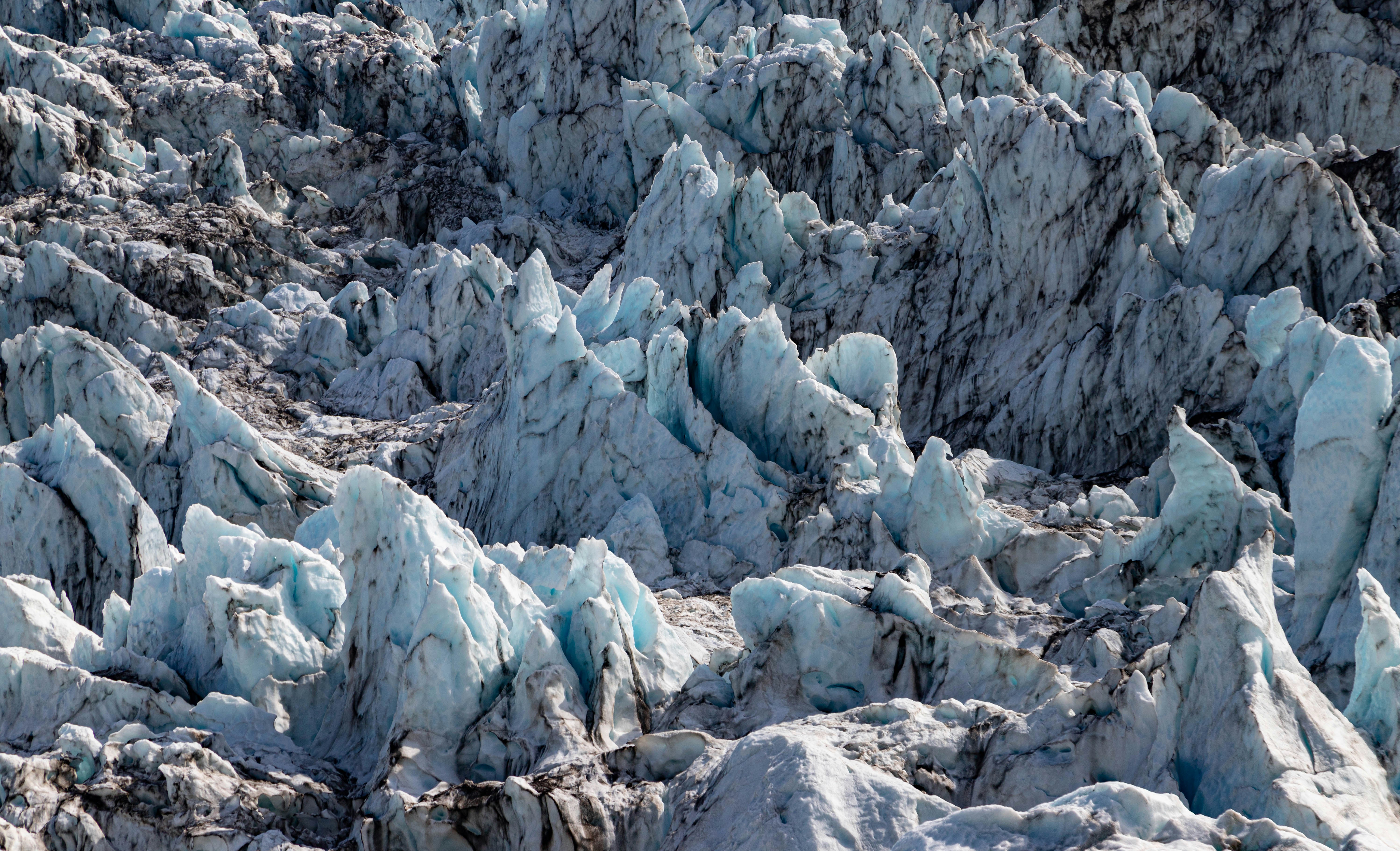
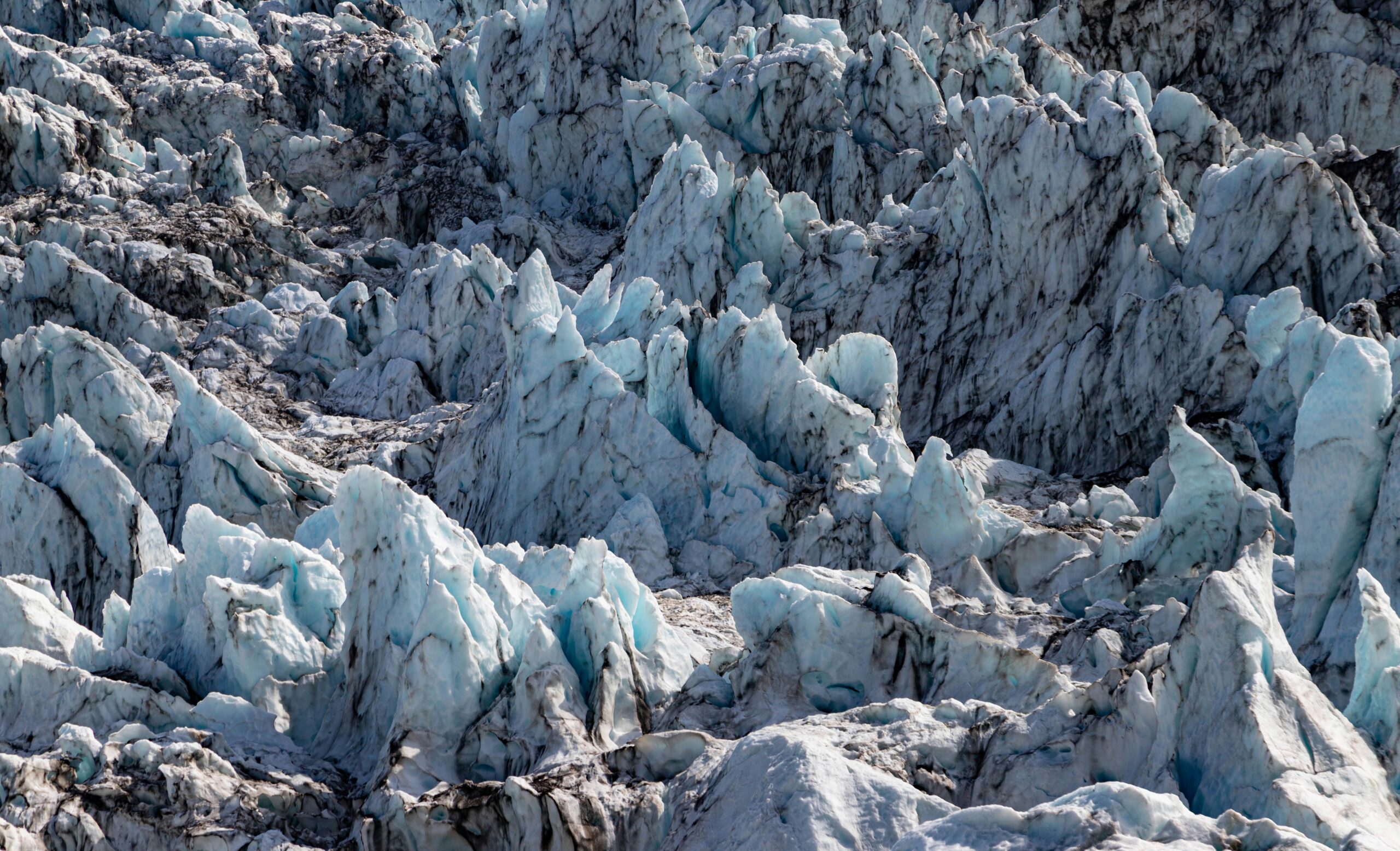
Cover image by Bernd Dittrich.