
18.09.2026 | 18:00
The MtnClim research conferences are dedicated to mountain climate sciences and the effects of climate variability on ecosystems, natural resources, and conservation in western North American mountains.
MtnClim conferences feature invited and contributed talks, poster sessions, field trips, and working-group sessions. Post-conference workshops address topics of interest for further discussion.
This year’s MtnClim meeting will take place at the Rocky Mountain Biological Laboratory (RMBL) in Gothic, Colorado, 14-18 September 2026.
Why Mountains?
Mountain areas of the world are attracting increased attention as observations and climate model simulations indicate that these regions will be greatly impacted by global climate change and are early warning indicators of future impacts worldwide. Mountain ecosystems are complex and include cold desert biomes, alpine biomes, and tundra ecosystems occurring above timberline. This environment is among the most sensitive to climatic changes occurring on a global scale, comprising glaciers, snow, permafrost, water, and the uppermost limits of vegetation and other complex life forms. The stratified, elevationally-controlled vegetation belts found on mountain slopes represent an analogue to the different latitudinally-controlled climatic zones, but these condensed vertical gradients are known to support unique hotspots of biodiversity. High relief and high gradients make mountain ecosystems especially vulnerable to slight changes of temperatures and to extreme precipitation events. In effect, mountains have become the proverbial “canary in the coal mine” in terms of their sensitivity to climate and other environmental changes, yet their critical importance and vulnerability are often overlooked.
When mountains change society feels the impact. Mountains are complex social-ecological systems that influence people’s lives through the ecosystem services they provide (e.g., fresh water, hydroelectricity, habitat). Relatively small perturbations in global processes can cascade to large changes in mountainous regions, which in turn affect the socioeconomic well-being of this region and the nation at large. A number of academic, agency, and NGO efforts are underway to develop regional-scale integrated climate research efforts and enable the monitoring activities to support them. Such efforts are justified by the importance of mountain environments and ecosystem services to society, the sensitivity of mountain ecosystems to climate change, and the rapid response of these regions to small changes in atmospheric conditions.
The MtnClim Meetings
In 2004 an inaugural conference on mountain climate was held at Lake Tahoe. The meeting was attended by a broad cross-section of scientists, agency representatives, and university researchers from across the US and abroad. The quality and diversity of the science discussed at that meeting convinced participants that a biannual meeting should be established that is dedicated to mountain climate sciences and effects of climate variability on ecosystems, natural resources, and conservation in North American mountains.
Every even-numbered year since (except 2020!) that initial meeting has seen a MtnClim conference featuring invited and contributed talks, poster sessions, and working-group sessions on various aspects of mountain climate science including hydrology, ecology, and glaciology. Every MtnClim meeting includes sessions or workshops addressing implications of climate variability in conservation and resource management. To encourage discussion and interaction, we have capped attendance at 120 participants, and conferees represent an array of agency and academic backgrounds and disciplinary fields.
We strive for a conference community that welcomes perspectives across career stages and disciplines, and that nurtures intellectual vibrance through a culture of kindness, scientific curiosity, and care.
Key features of the MtnClim Conferences include:
- Invited oral sessions:
- Keynote speakers on cutting-edge science themes, policy, and applications
- Panel or shorter talk sessions on timely issues
- Invited speakers on issues of local to regional relevance
- Contributed oral and poster sessions
- Ample time for personal networking and self-organized working group discussions
- Graduate student meet-and-greets
- Evening talks and flash sessions
- Field trips to research and/or management demonstration sites
- Community meals for socializing and networking
- Opportunities to integrate scientific and artistic perspectives
Organized Sessions:
This year, organized sessions will center on 8 topics:
- Mountain ecology
- Aquatic ecology & biogeochemistry
- Fire
- Snow and ice
- Mountain hydrology
- Mountain weather and climate
- Mountain paleoecology and paleoclimatology
- Recreation/people
Abstract Submission
Abstract submission closes 8 July 2026. Submit your abstract here.
You may request a poster only; otherwise, the program committee will assign posters or talks.
For the Poster Session: 36 x 48” corrugated sheets on easels will be provided that can be set up vertically or horizontally and posters will be attached with binder clips.
Please note that the priority registration deadline is Wednesday 15 July.
For questions, please contact the organizers at mtnclim@gmail.com.
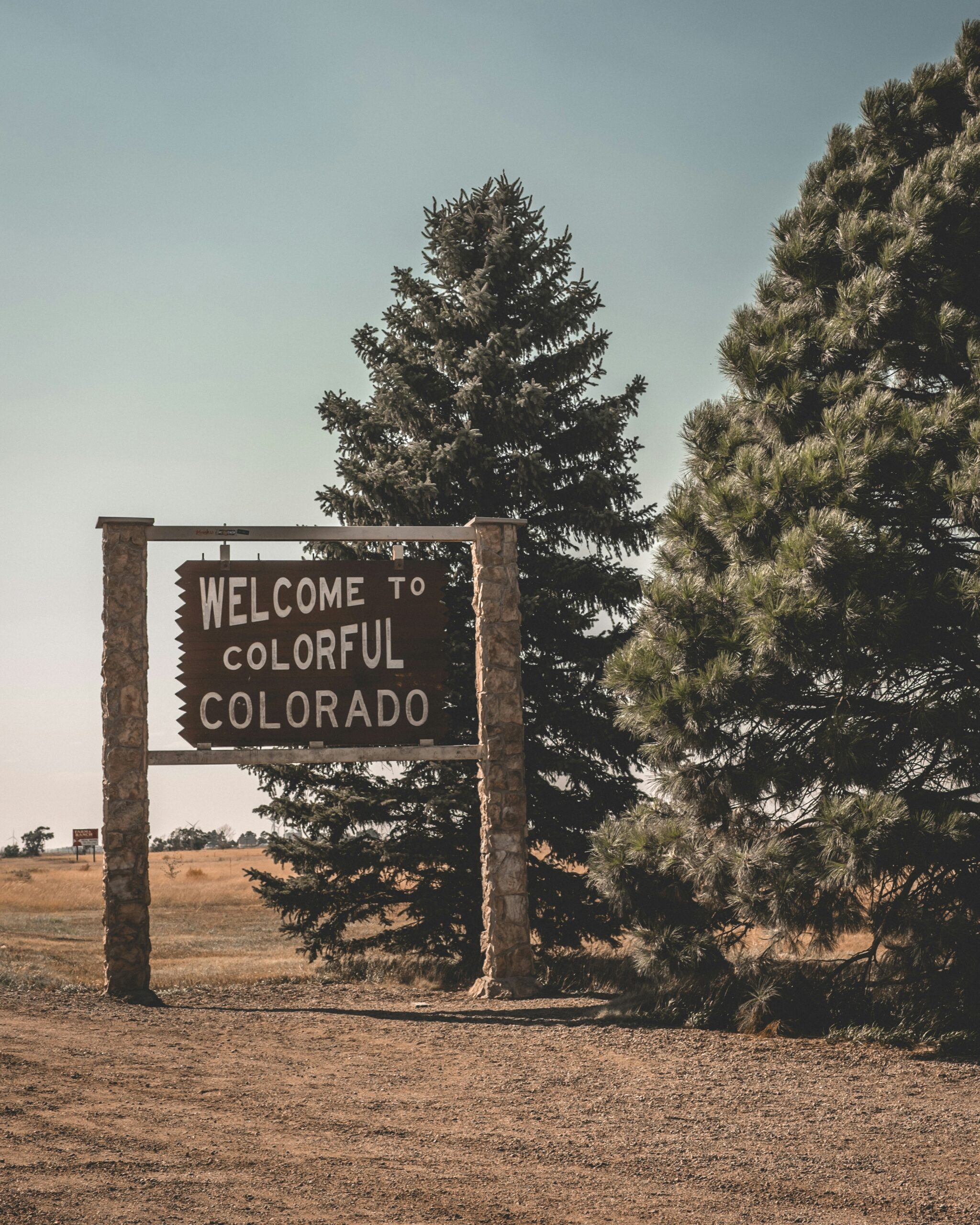
Cover image by Daniel Norris.