
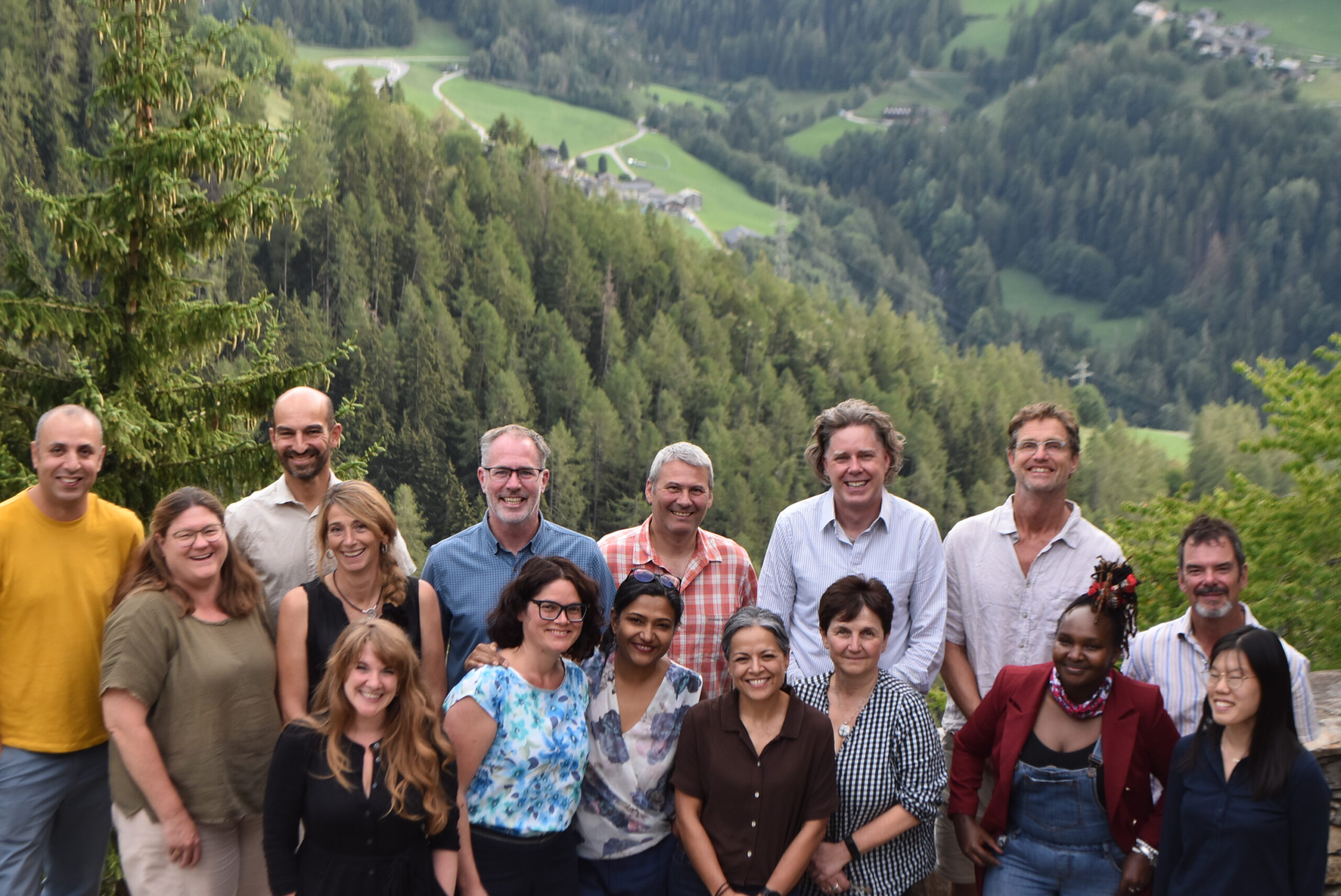
From 26-28 August 2026, members of the MRI Governing Body, MRI Working Group Leads, and the MRI Coordination Office came together in Commeire, Switzerland, for three days of exchange, reflection, and planning at the MRI Retreat 2026.
This year’s MRI Governing Body Retreat took place against the backdrop of the devastating glacial collapse and resulting cascade of ice, rock, debris, and flooding that affected communities in Nepal and Tibet. As participants gathered to reflect on the MRI’s work and consider its future direction, those impacted were very much in our thoughts. The disaster also brought into sharp focus the increasingly complex and cascading risks facing mountain regions, and prompted reflection on what the MRI, as a global research network, has contributed and could still contribute to better understanding, communicating, and responding to these challenges. These questions remained in the background throughout the retreat, lending a particular immediacy to wider discussions about the role of research and collaboration, the MRI’s own scope of work, and the connections that the MRI seeks to support.
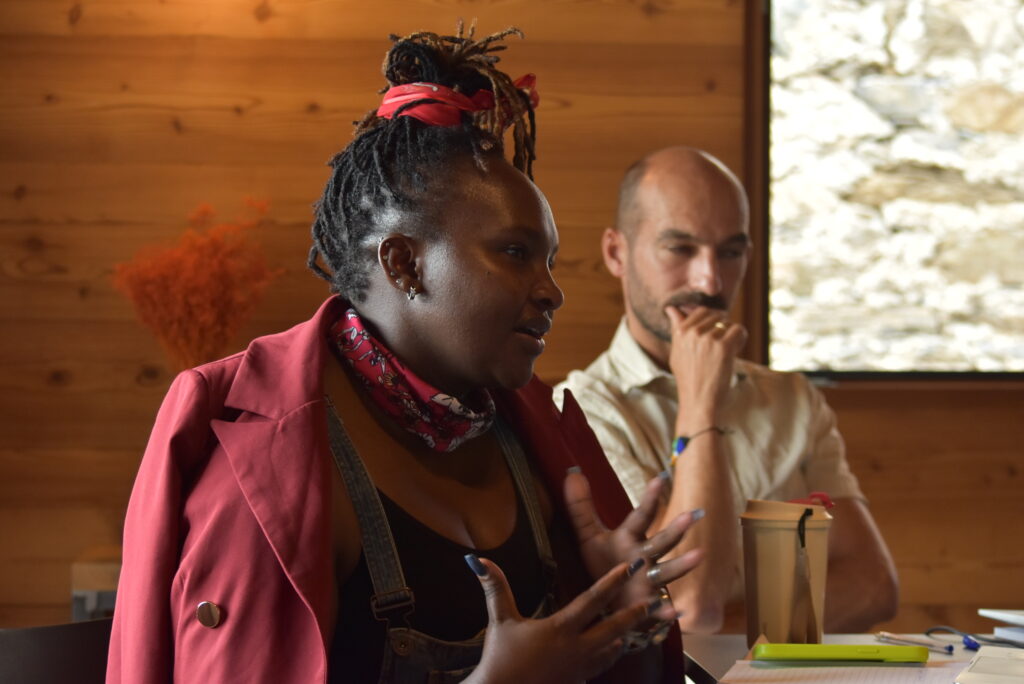
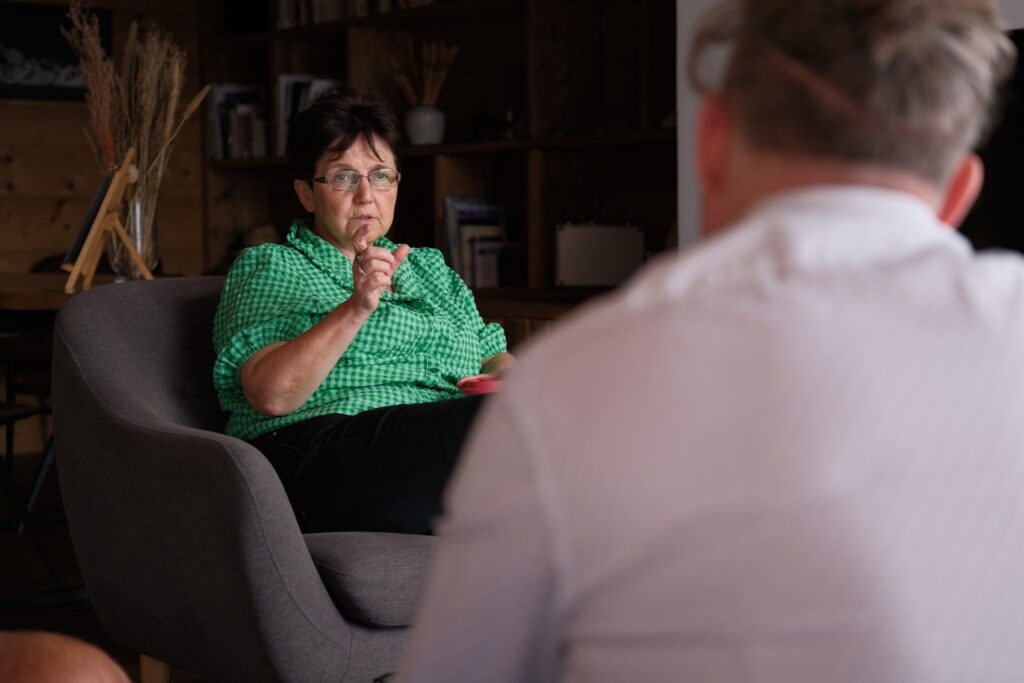
Pictured: Members of the MRI Governing Body in conversation during the 2026 retreat. Image credit: MRI.
Taking Stock and Looking Ahead
The retreat was a key opportunity to take stock of progress on the MRI’s work plan, exchange perspectives, and collectively consider priorities for the years ahead. It also served as an opportunity to invest in the relationships that underpin the network, including the often less visible work involved in sustaining them.
As MRI Chair Jörg Balsiger reflected in opening the retreat: “What we’re trying to foster through the work of the MRI builds on sometimes simple, everyday tasks. We show up. They’re often not very visible, but without them, the network would fall apart.”
It was a fitting reminder that the value of a research network is not measured only in its most visible outputs. Behind publications, events, collaborations, and new initiatives lies the quieter work of maintaining relationships, sustaining dialogue, and representing and keeping a diverse international community engaged over time.
As the retreat progressed, discussions ranged from developments across the MRI Working Groups and Flagship Activities such as GEO Mountains to the MRI’s engagement in international science and policy processes. Participants also reviewed progress on the MRI Impact Tracking Framework, explored potential new areas of collaborative activity, and began looking further ahead to the MRI’s strategic direction beyond its current funding period.
A strong thread throughout was the importance of moving beyond simply growing the reach of the network and towards creating more meaningful opportunities to participate and contribute. This echoed responses to the 2026 MRI Community Survey, which stressed that the MRI’s role in connecting and convening the mountain research community across disciplines and regions was still highly valued.
The MRI Working Groups were central to these conversations. Participants explored how they can continue to provide welcoming and productive spaces for community-led scientific exchange and synthesis, including through clearer opportunities for wider member participation and greater involvement of early-career researchers.
Reflecting on what can happen when people are given space to share their research through the Working Groups, the MRI’s Mountain Socio-Ecological Futures Working Group Co-Lead, Rob Marchant noted that “people become more active and more used to one another […] and then things can really snowball.”
That “snowball” captures an important part of what the MRI enables. An exchange through a Working Group, workshop, event, or shared research question can develop into a collaboration, a publication, a large-scale research project, or something not initially anticipated at all. Facilitating the mechanisms and creating the conditions in which those possibilities can emerge is as important as increasing the size of the network itself.
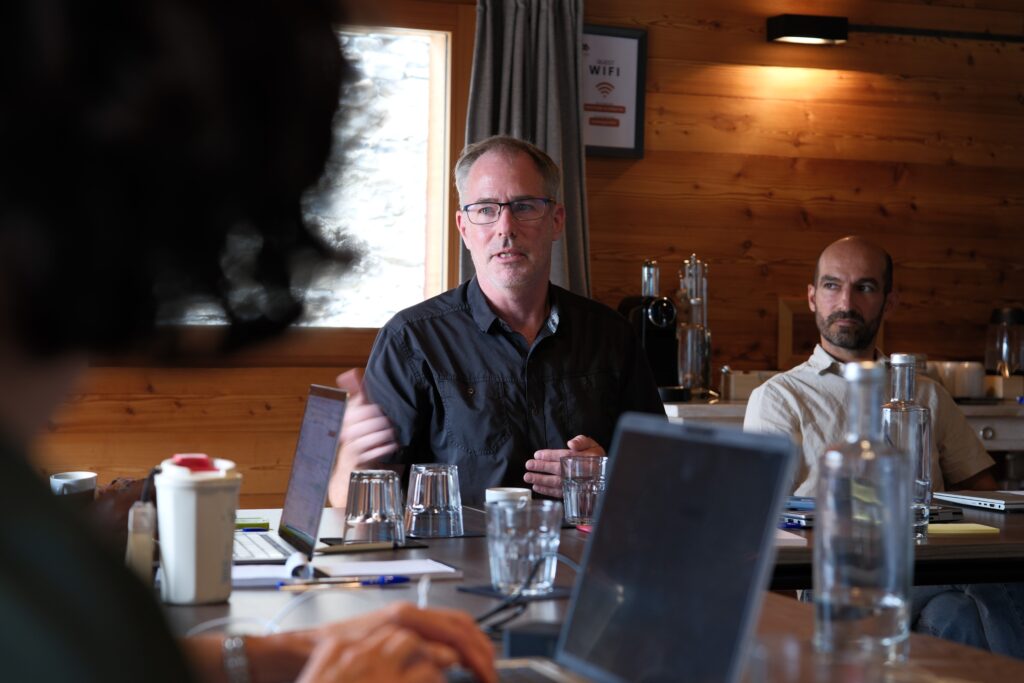
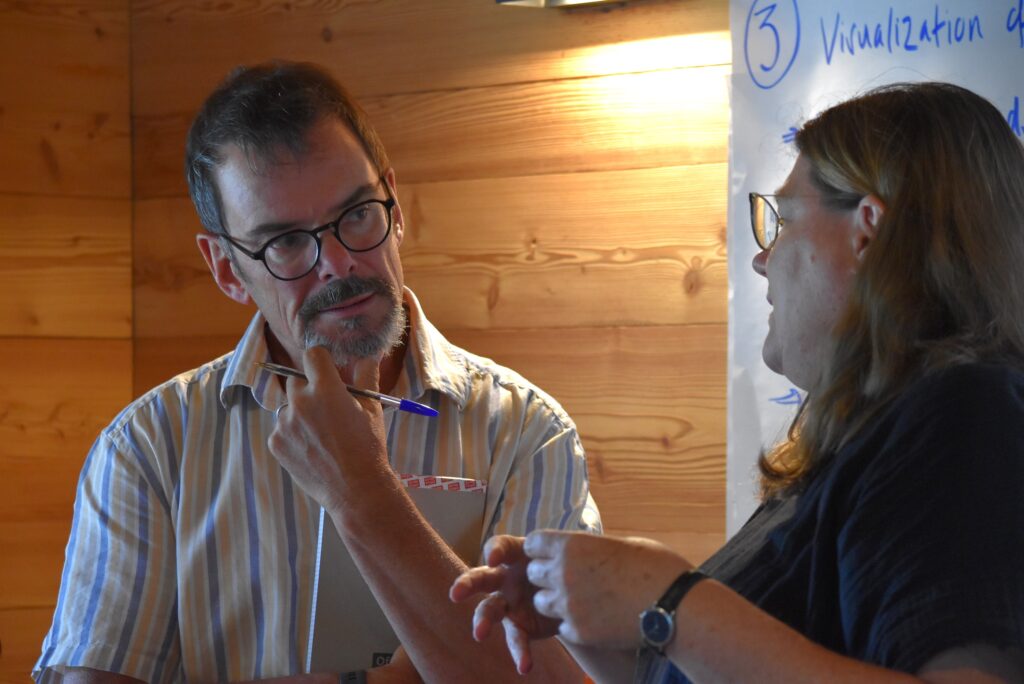
Pictured: Members of the MRI Governing Body in conversation during the 2026 retreat. Image credit: MRI.
Space for New Ideas
The retreat also provided an opportunity to put that principle into practice. An interactive ‘Marketplace’ invited participants to propose and develop ideas for future collaboration, spanning the future of mountain regions, new ways of visualising mountain futures, questions of water rights and access in a changing cryosphere, and coordinating the MRI contributions to the UN Decade of Action for Cryospheric Sciences, 2025-2034.
These discussions were deliberately exploratory. Rather than creating activity for its own sake, the emphasis was on identifying areas where the MRI can add genuine value, bringing complementary expertise and perspectives together around emerging questions and opportunities for mountain research.
Supporting the MRI Community
The conversations in Commeire feed into the MRI’s work programme and help shape and sharpen how we support our community, widen opportunities to participate, strengthen the network, and position mountain research within wider scientific and policy processes.
As the MRI marks its 25th anniversary in 2026, the retreat also offered a chance to connect reflection on the network’s past with thinking about its future. Across three days of discussion, a common idea kept resurfacing in different forms: the value of MRI lies not only in what the network produces, but in what becomes possible when people, knowledge, and ideas come together. After 25 years, that remains the strength of the network – and a key asset in shaping the MRI’s future, and mountain research more broadly.
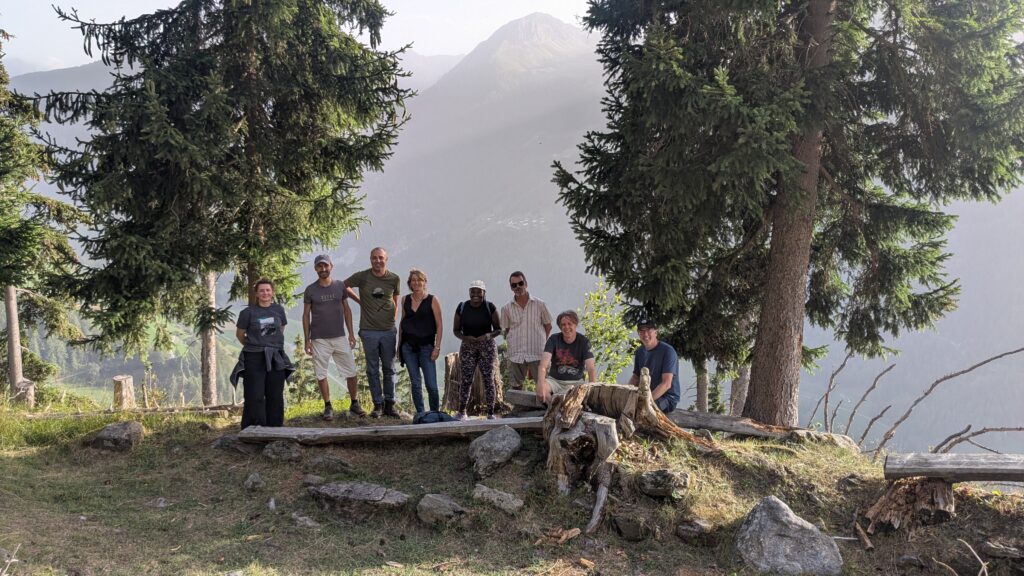
Pictured: Members of the MRI Governing Body, MRI Working Group Leads, and the MRI Coordination Office exploring the mountains near Commeire during an evening excursion. Image credit: MRI.
Cover image: The MRI Governing Body, MRI Working Group Leads, and the MRI Coordination Office at the 2026 retreat. Image credit: MRI.