

A new report from the United Nations Environment Programme (UNEP) and the International Cryosphere Climate Initiative (ICCI) warns that exceeding the Paris Agreement’s 1.5°C warming limit, even temporarily, could trigger widespread and potentially irreversible changes across the world’s frozen regions. Drawing on scientific contributions from the global mountain research community, including research supported by the Mountain Research Initiative (MRI), the report highlights the urgent need to limit climate overshoot and strengthen adaptation to its consequences.
Published on 2 November 2026, Overshoot and the Cryosphere: Averting Global Meltdown examines what exceeding the 1.5°C global warming threshold would mean for glaciers, snow cover, permafrost, ice sheets, sea ice, and polar oceans. Produced by UNEP in collaboration with ICCI, the report brings together scientific evidence on the consequences of climate overshoot, the risks of irreversible ice loss, and the actions needed to limit further damage.
Released alongside State of the Cryosphere 2026: The Cost of Overshoot, the report provides an important scientific foundation for international climate discussions ahead of the UN Climate Change Conference (COP31) in Türkiye, including efforts to strengthen climate ambition and support adaptation in vulnerable regions.
Why Climate Overshoot Matters for Mountains
Climate overshoot occurs when global temperatures exceed an agreed warming threshold, before potentially returning below it through emissions reductions and the removal of carbon dioxide from the atmosphere. However, the report emphasises that even temporary exceedance of 1.5°C could have lasting consequences for the cryosphere.
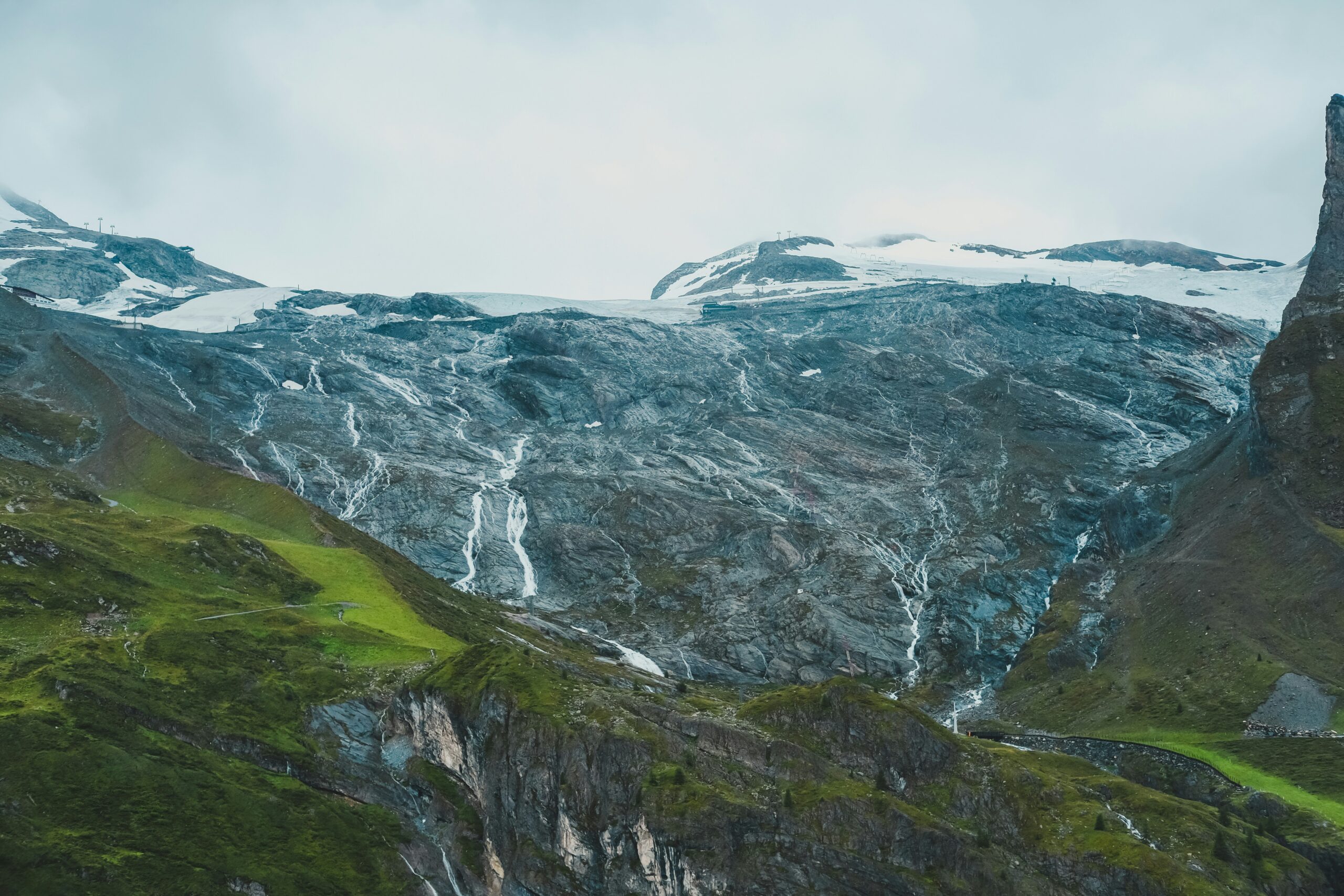
Mountain regions are particularly vulnerable. Rising temperatures are accelerating glacier retreat, altering seasonal snow cover, and destabilising permafrost, with far-reaching implications for water resources, ecosystems, natural hazards, and the livelihoods of mountain communities and populations downstream.
The report includes a dedicated chapter examining the consequences of climate overshoot for mountain regions, highlighting how changes in glaciers, snow, and permafrost can continue to unfold over decades or centuries, even if global temperatures subsequently decline.
Some losses may be unavoidable, but their scale and pace remain strongly dependent on the choices made today. Rapid and sustained emissions reductions could help limit glacier and snowpack losses, reduce the risks associated with thawing permafrost, and provide more time for communities and ecosystems to adapt.
“There are no good outcomes in exceeding 1.5°C. To contain the global fallout and damage from ice loss in the world’s polar and mountain regions, overshoot needs to be kept to the absolute minimum. Temperatures must be returned to well below 1.5°C again as quickly as possible to reduce the risks,” said Dr James Kirkham, coordinating lead author of Overshoot and the Cryosphere and Chief Scientist at ICCI.
Mountain Research Contributing to Global Climate Policy
The report draws on a substantial body of scientific research, including publications developed through MRI-supported Working Groups and collaborations across the international mountain research community.
Among the studies referenced are outputs from the MRI’s Elevation-Dependent Climate Change Working Group, as well as the synthesis A Research Agenda for Mountain Futures, funded by the Mountain Research Initiative and the French National Research Agency. These publications contribute to the scientific understanding of climate change in mountain regions and help identify important evidence gaps and future research priorities.
MRI-affiliated researchers have also contributed directly to the report’s development. Amina Maharjan, a member of the MRI Science Leadership Council, is among its authors, while MRI Executive Director Carolina Adler and former Science Leadership Council member Samuel Morin contributed as reviewers.
Their involvement reflects the importance of connecting mountain research with international scientific assessments and policy processes. By bringing together expertise from different disciplines and mountain regions, the MRI and its Working Groups help strengthen the scientific evidence available to decision-makers and ensure that the particular challenges facing mountain environments and communities are represented in global climate discussions.
The report also provides timely evidence for international initiatives such as Ambition on Melting Ice, a coalition co-led by Chile and Iceland that works to raise awareness of the global consequences of cryosphere change and strengthen action within international climate negotiations.
Limiting Losses and Strengthening Resilience
The findings of the report reinforce a central message: every fraction of a degree of warming matters, as does the length of time global temperatures remain above 1.5°C.
Even at current warming levels, the world’s glaciers and other frozen environments are undergoing profound changes. The accompanying State of the Cryosphere 2026 report highlights recent scientific observations, including the loss of approximately 20% of Switzerland’s glacier ice over the past five years, alongside growing concerns about water availability, mountain hazards, and accelerating sea-level rise.
Yet both reports emphasise that there are still opportunities to limit future losses. The rapid expansion of renewable energy and battery technologies, declining reliance on coal and oil, and successful climate policies in many countries demonstrate that progress is possible. Building on these developments, the reports call for greenhouse gas emissions to be reduced by at least 5% annually, starting immediately, with the aim of reaching net zero by mid-century. An accelerated phase-out of fossil fuels, alongside reductions in methane and black carbon emissions, will be essential to limiting overshoot and retaining the possibility of bringing temperatures back down through sustainable carbon dioxide removal.
Such action could make a substantial difference to the future of the world’s frozen regions. Although several metres of sea-level rise are already committed over the coming centuries as polar ice sheets continue to respond to warming, limiting overshoot could slow the rate of this rise, giving coastal communities more time to adapt. Returning global temperatures to 1.5°C or below could also help halt or partially reverse losses of glaciers, snowpack, and sea ice over decades to centuries, while reducing the risks associated with destabilising permafrost. This includes limiting both mountain hazards and the release of additional greenhouse gases from thawing frozen ground, which would otherwise further amplify warming.
However, even with ambitious emissions reductions, some changes are already unavoidable. Adaptation must therefore remain a priority, particularly in mountain regions where communities are experiencing the consequences of glacier retreat, changing snow cover, and increasing natural hazards. Strengthening monitoring and early warning systems, improving access to scientific information, and supporting locally appropriate adaptation strategies will be essential to building resilience.
For the mountain research community, the findings underline both the urgency of climate action and the importance of sustained, coordinated research to better understand the consequences of overshoot across different mountain environments.
As the international community prepares for COP31 and beyond, Overshoot and the Cryosphere provides a timely scientific foundation for climate negotiations and a reminder that decisions taken today will shape the future of the world’s frozen regions for generations to come. By connecting scientific evidence with policy and practice, the mountain research community has an important role to play in supporting informed decisions and strengthening responses to a changing cryosphere.
Read More
- International Cryosphere Climate Initiative (2026). Overshoot and the Cryosphere: Averting Global Meltdown. The Implications of Temperature Overshoot, Peak and Decline for the Cryosphere [Kirkham, J. D., Pearson, P., Garbe, J., Hancock, S., and Imdieke, A. (eds.)]. Stockholm, Sweden. DOI: 10.5281/zenodo.23477467
- International Cryosphere Climate Initiative (2026). State of the Cryosphere 2026: The Cost of Overshoot (P. Pearson, J. Garbe, S. Hancock, A. Imdieke, J. Kirkham [eds.]). Stockholm, Sweden. DOI: 10.5281/zenodo.23478059
- Pepin, N. et al. (2025). ‘Elevation-dependent climate change in mountain environments.‘ Nature Reviews Earth & Environment, 6, 772–788. https://doi.org/10.1038/s43017-025-00740-4
- Pepin, N.C. et al. (2022). Climate Changes and Their Elevational Patterns in the Mountains of the World. Reviews of Geophysics, 60: https://doi.org/10.1029/2020RG000730
- Zimmer A., Grêt-Regamey A., Palomo I. et al. A Research Agenda for Mountain Futures. Cell Reports Sustainability. 2026. DOI: 10.1016/j.crsus.2026.100775
- MRI Elevation Dependent Climate Change Working Group Page
- MRI Mountain Socio-Ecological Futures Working Group Page
Cover photo by Thomas Oldenburger.