
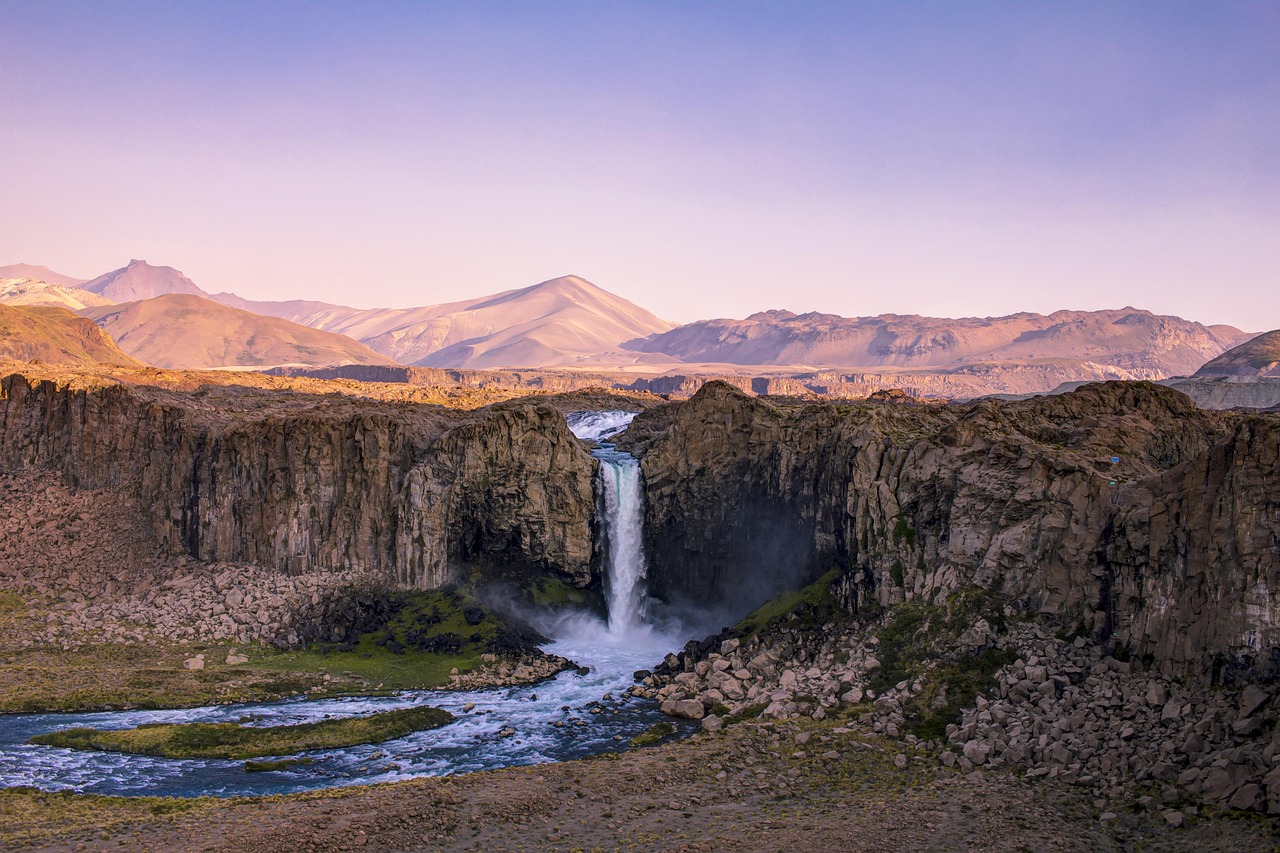
From accelerating glacier melt to threats to water security and agriculture, new research presents strong evidence that anthropogenic climate change is affecting both natural and human systems in the Andes – one of the world’s most climate-vulnerable regions.
The Andes, stretching over 8,000 km and forming the longest continental mountain range on Earth, are home to approximately 85 million people and a vast array of biodiversity. The region plays an essential role in providing critical ecosystem services – such as water supply, food production, and climate regulation – upon which both local and downstream populations depend. In recent years, the Andes have experienced pronounced warming. However, the full extent of climate change impacts – especially how they cascade through physical, ecological, and human systems – has remained poorly understood.
A new study, published this month in Nature Communications Earth & Environment, goes some way towards addressing this gap. “Our research utilized a comprehensive, two-pronged approach,” explains paper lead author Ana Ochoa-Sánchez, Associate Professor at the University of Azuay in Ecuador. “First, we conducted a systematic literature review of long-term climate change impacts across natural and human systems; then, we carried out a detection and attribution assessment that compared climate simulations with locally observed changes to isolate the role of human influence. Our findings confirm that climate change is triggering cascading effects that ripple through ecosystems and into human lives and livelihoods.”
Domino Effect: From Glaciers to Human Systems
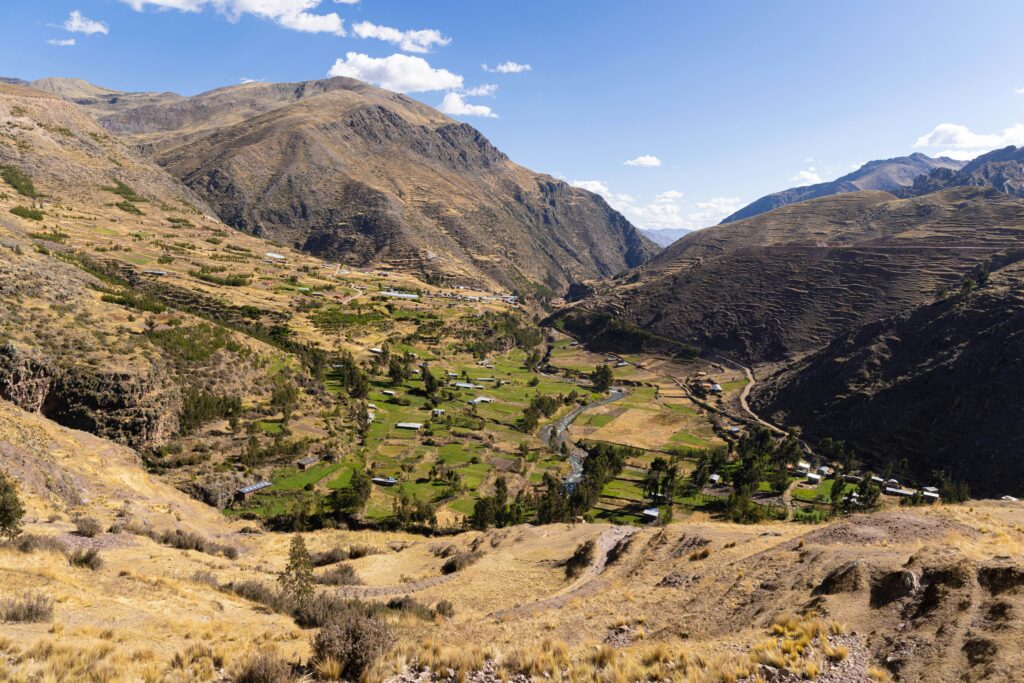
The research documents a chain of climate-driven changes: starting from physical systems (such as glaciers and snow), moving through ecosystems (like rivers and their biodiversity), and ultimately affecting human systems (including agriculture, migration, and tourism). These cascading impacts are interconnected and influenced by both climatic and non-climatic drivers, such as political instability and socioeconomic inequality. While scientific confidence in directly linking impacts to anthropogenic climate change decreases along this chain, the study finds that human-driven warming has played at least a partial role in nearly all observed changes.
“Our study attributes observed changes in climatic variables, cryosphere, water, hazards, ecosystems, food security, human health, migration, tourism, and culture to anthropogenic climate change – each to different extents, accounting for multiple drivers of change. It thus provides evidence of observed, and mainly negative, substantial impacts of anthropogenic climate change across a nearly 8000 km long North-South transect of the Andes region.”
Christian Huggel, paper co-author and Professor at the University of Zurich.
The research also incorporates local perception studies, revealing that many Andean communities have experienced many of the same changes that were identified through scientific methods. This convergence between local and scientific knowledge strengthens the credibility of the findings and highlights the value of inclusive, community-engaged research approaches. In undertaking their analysis, the researchers also identified critical gaps in regional data and climate monitoring – especially in parts of Venezuela, Ecuador, and Argentina.
“Addressing these gaps is crucial for the development of effective and locally relevant adaptation strategies,” says Ochoa-Sánchez. “We hope our study will pave the way for better long-term monitoring and more integrative research in the Andes, bridging scientific data with local knowledge and perspectives.”
Capacity Building Through Mentorship
This research is also a product of the Mentoring and Training Programme in IPCC Processes for Early Career Mountain Researchers, coordinated by the University of Zurich, the Mountain Research Initiative (MRI), Helvetas, and ICIMOD, with funding from the Swiss Agency for Development and Cooperation (SDC). The programme, launched during the IPCC’s Sixth Assessment Cycle, aimed to empower early-career mountain researchers from developing countries by building skills and fostering inclusive participation in global climate assessments. Lead author Ochoa-Sánchez is a graduate of this initiative.
“This was a great experience,” says Huggel, who served as one of the programme mentors. “And, as this publication demonstrates, our colleagues from the programme are now ready to make a great contribution to the IPCC’s Seventh Assessment Cycle by assessing the state of science and building greatly needed bridges between science and policy.”
With the Seventh IPCC Assessment Cycle now underway, this study offers a clear message: climate change is already transforming the Andes in profound and interconnected ways, and effective responses must be just as integrated. It also underscores the critical importance of investing in people as much as in data – particularly those who live and work in the regions most affected by climate change.
Read more: Ochoa-Sánchez, A., Stone, D., Drenkhan, F. et al. Detection and attribution of climate change impacts in coupled natural-human systems in the Andes. Commun Earth Environ 6, 314 (2025). https://doi.org/10.1038/s43247-025-02092-9