
A white paper on Barriers to Glaciers-Related Financing: Financing Mitigation to Preserve Glaciers While Adapting to Their Loss was formally released on 22 April 2026, in recognition of Earth Day and on the eve of the First Conference on Transitioning Away from Fossil Fuels.
Initially shared at COP30 in Belém, Brazil, Barriers comes as leaders and members of civil society begin to gather for the Transition Conference in Santa Marta, Colombia: a country threatened by loss of its last glaciers if the phase-out of fossil fuels does not occur on a far more rapid and accelerated timeline.
Globally, glaciers, snowpack and mountain permafrost are losing ice due to the continued pumping of carbon into Earth’s atmosphere. With continued emissions and unambitious transition policies, the world is on track for at least +2.7°C of warming, leading to more than twice as much glacier loss as keeping temperatures below +1.5°C.
This warming is already driving extensive loss and damage in mountain and downstream communities around the world, with loss of infrastructure, food and water security. As temperatures continue to rise, so will the need for financing to respond to this loss: preparing for a future with very different mountain and water ecosystems.
The world is largely unprepared for this future, reinforcing the urgency of financial scaffolding that can be nimble and targeted enough to both transition away from fossil fuels, and respond to forthcoming glacier-related disasters and long-term water loss.
Barriers sets forth some of the most challenging elements of glacier-related financing, ranging from antiquated structures and regulatory risk to the lack of data and episodic nature of such disasters. It also identifies best practices and lessons from communities, governments and financial institutions to safeguard these water towers of the world and curb the effects of runaway loss.
The effort was led by the International Cryosphere Climate Initiative, with input and support from the Asian Development Bank (ADB) as well as the Green Climate Fund (GCF), World Bank, OECD, InterAmerican Development Bank, Global Environmental Facility, BNP Paribas and other private sector actors, and civil society such as the Bank Information Center, among others. ADB and GCF recently launched the Glaciers to Farms initiative to combat water loss impacts in glacier-dependent basins.
Additional Information
This Media Release was published by the International Cryosphere Climate Initiative (ICCI). You can view the original release and accompanying materials on the ICCI website.
For interviews, please contact:
- (In Santa Marta): Dr. Susana Hancock, Global Mountains Director, ICCI | susana@iccinet.org
+1 (207) 712-8779 (WhatsApp) - Pam Pearson, Executive Director, ICCI | pam@iccinet.org +46 (70) 575-22-57 (WhatsApp)
- Media Contact: Amy Imdieke | amy@iccinet.org +1 (507) 321-3255
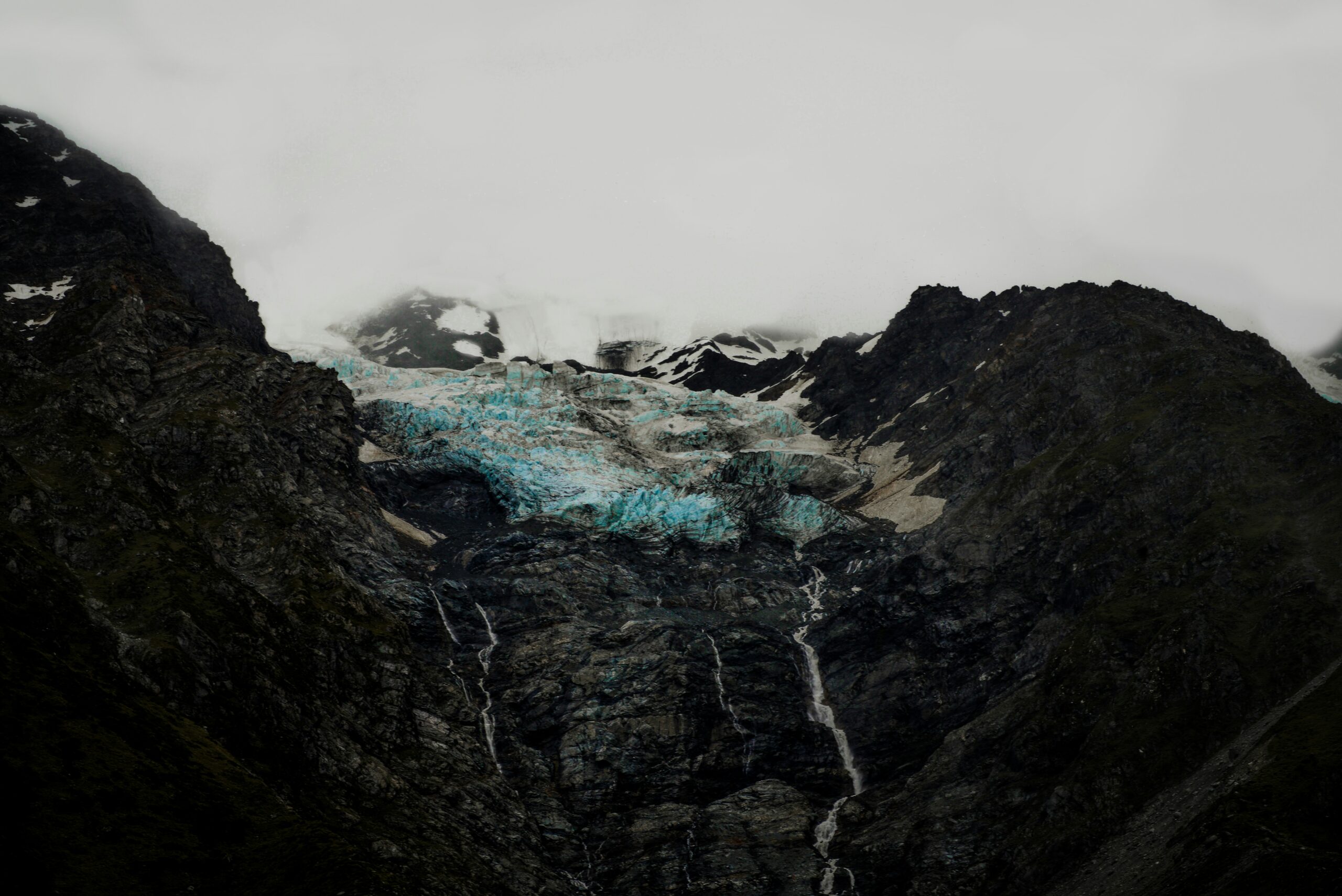
Cover image by Will Turner.