
A new study explores the characteristics, feasibility, and transformative potential of a diverse range of adaptation efforts listed in the Adaptation at Altitude Solutions Portal in order to enhance our understanding of responses to climate change in mountains.
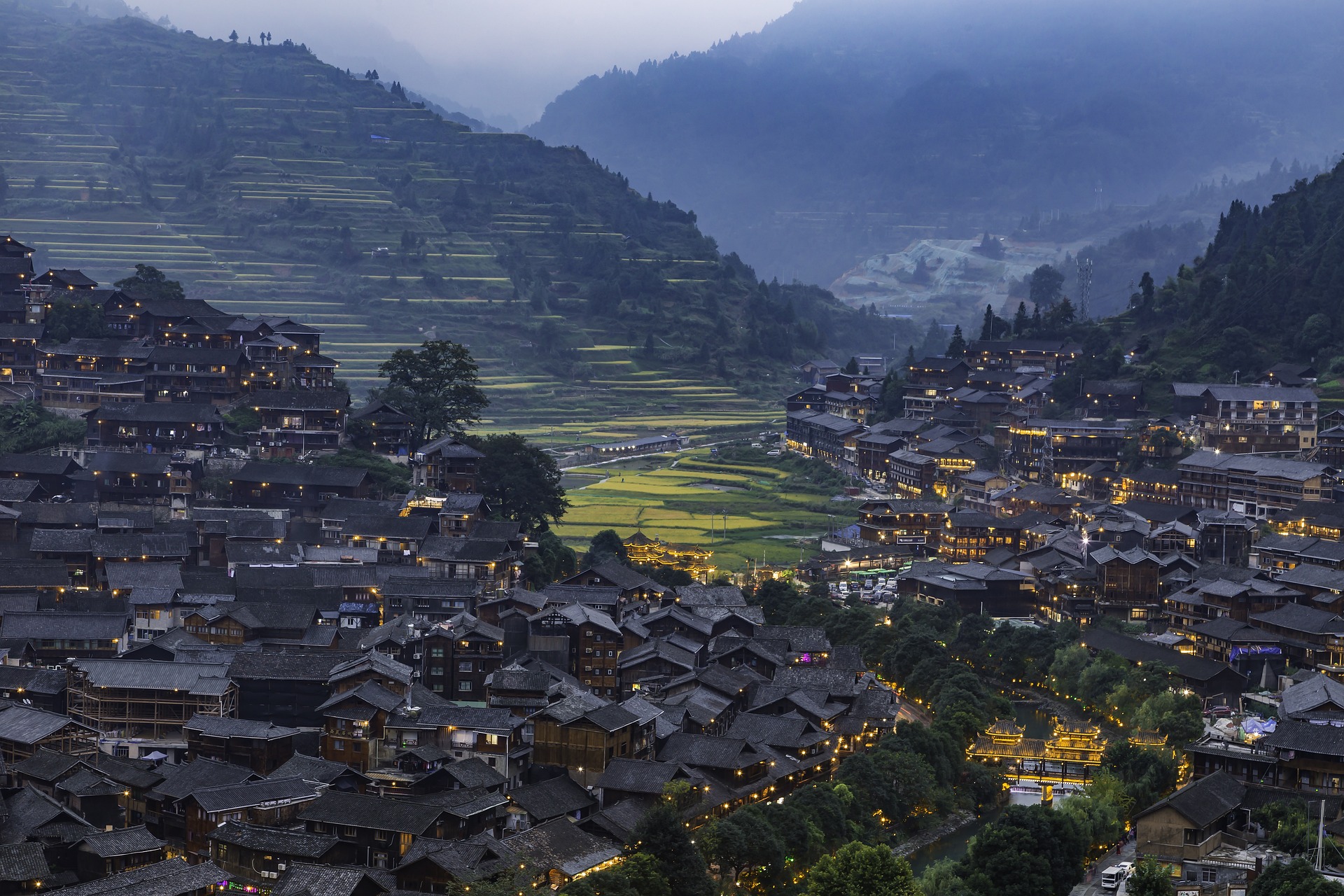
Climate change is having a significant impact on mountain ecosystems, which are home to a quarter of the world’s population and a source of freshwater for billions of people. Mountain communities are highly dependent on natural resources for their livelihoods, and changes in the mountain environment can have significant social, economic, and cultural impacts.
Evidence from mountain specific research confirms that climate adaptation is taking place in many mountain countries, often as a reaction to realised impacts, and sporadically as part of coordinated strategies and plans. The status quo of mountain adaptation is that of small adjustments to existing risk management strategies with limited scope and extent. Yet, as risks become ever more complex and pervasive, the need to move from small adjustments to substantial innovation and systemic changes, is becoming more pressing.
This study responds to the urgent need of shedding light on adaptation practice in mountains by compiling wide ranging facts and figures from a dedicated portal on adaptation solutions in mountain regions. It seeks to produce a comprehensive inventory of adaptation efforts taking place in mountains as part of realised and ongoing projects. This study addresses the critical need for documented adaptation progress in mountain regions by reviewing recently implemented or ongoing adaptation solutions collected from the Adaptation at Altitude Solutions Portal.
Reference:
Muccione, V., Aguilera Rodriguez, J., Scolobig, A. et al. Trends in climate adaptation solutions for mountain regions. Mitig Adapt Strateg Glob Change 29, 74 (2024). https://doi.org/10.1007/s11027-024-10168-8